Articles

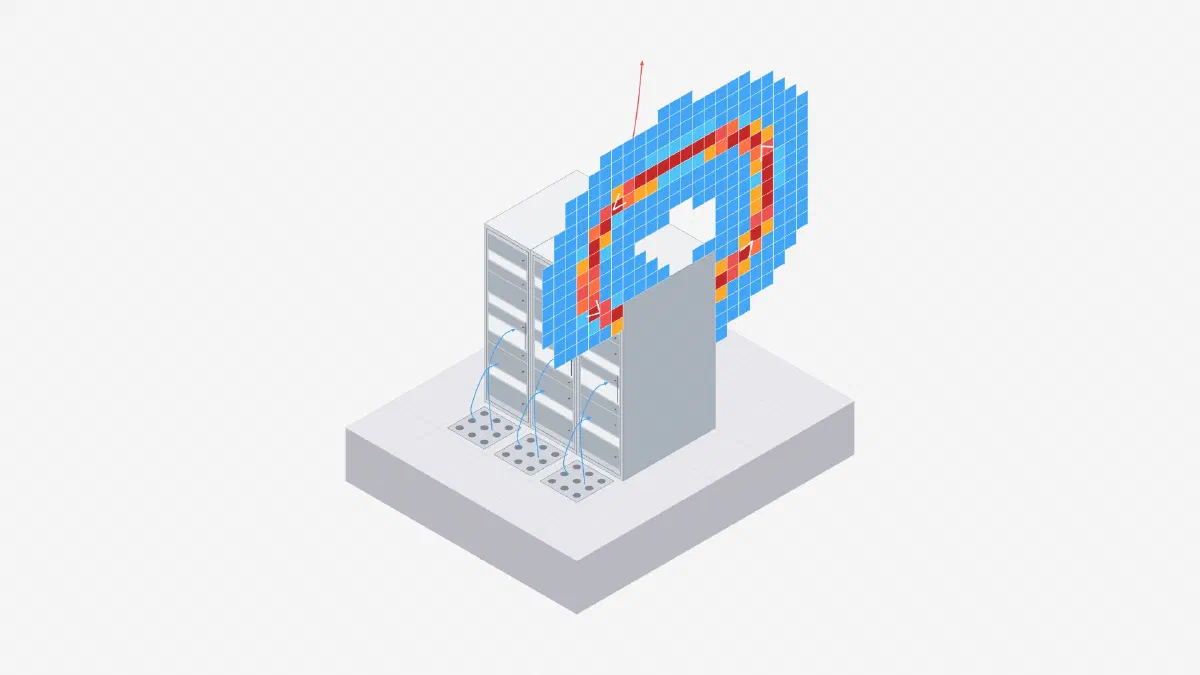
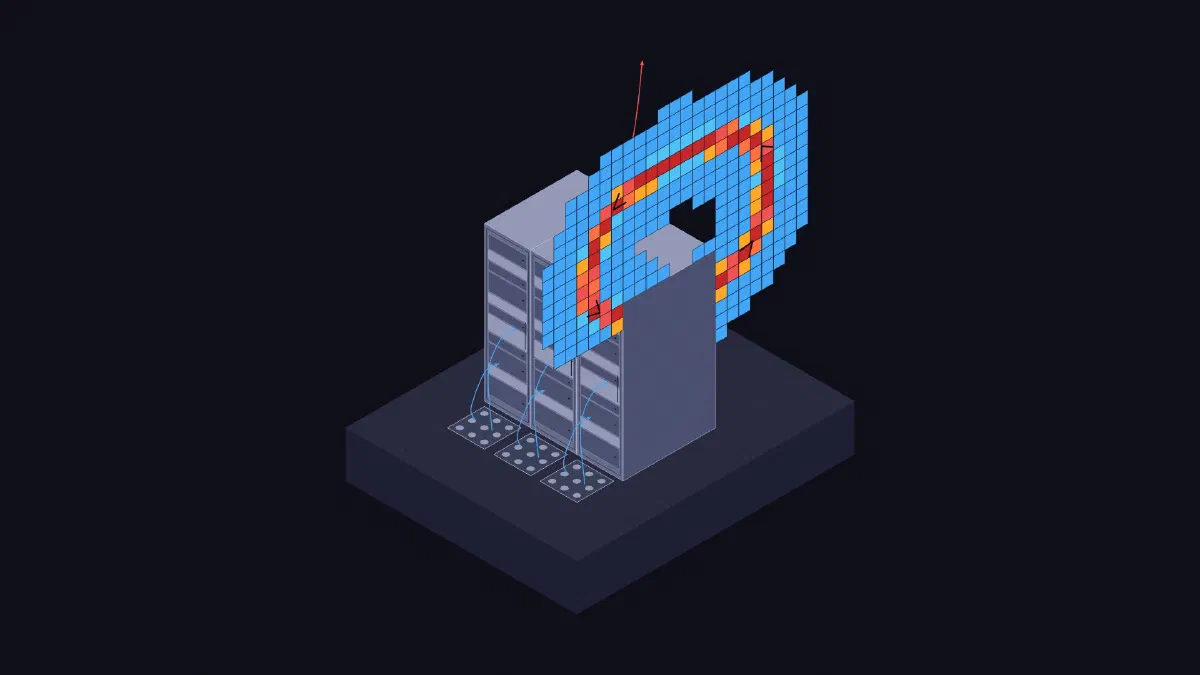
Solver Settings That Change the Answer
Turbulence model, discretization order and the stopping rule can move a data hall result by more than a mesh refinement; here is how to tell, and how to check yours.
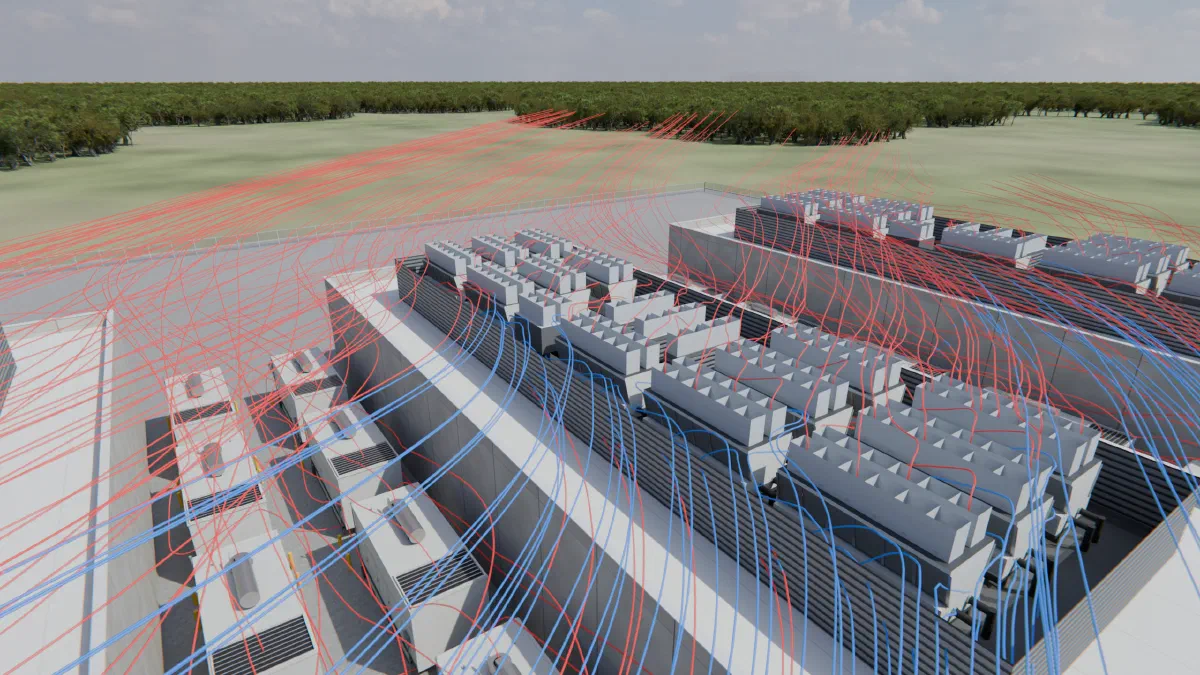
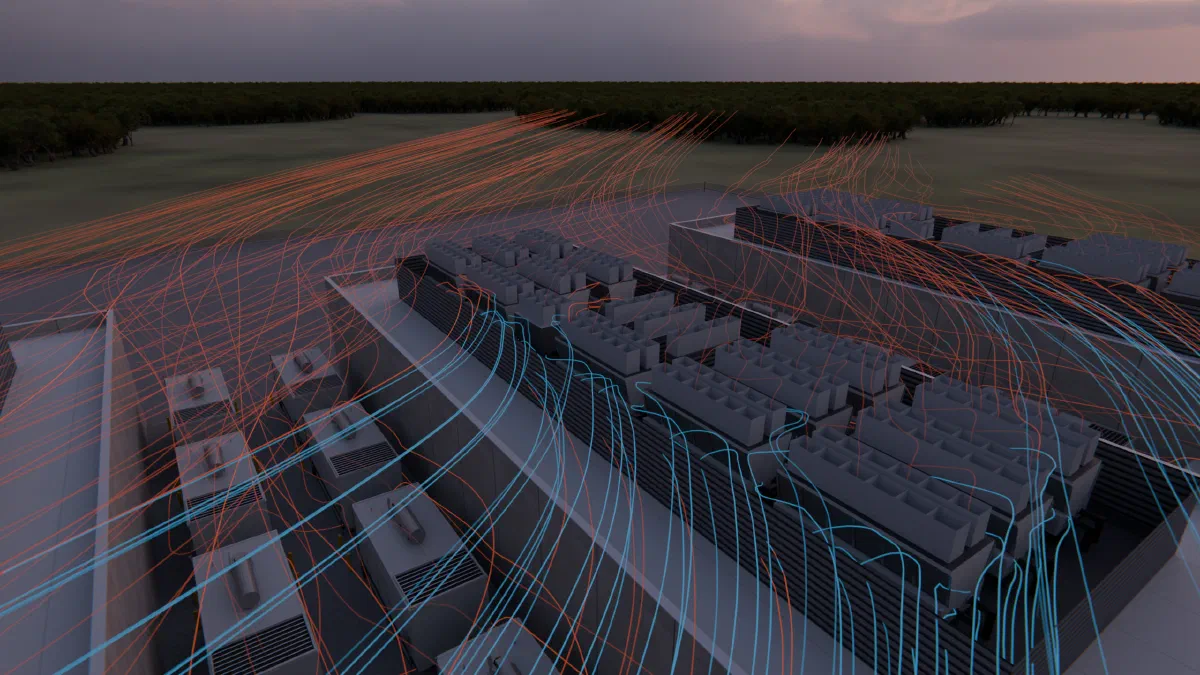
Chiller Yards That Breathe Their Own Exhaust
Wind and nearby walls can send an air-cooled chiller's exhaust back into its own intake, and in an example yard one noise screen took the worst chiller from 0.2 to 6.3 °F over ambient.
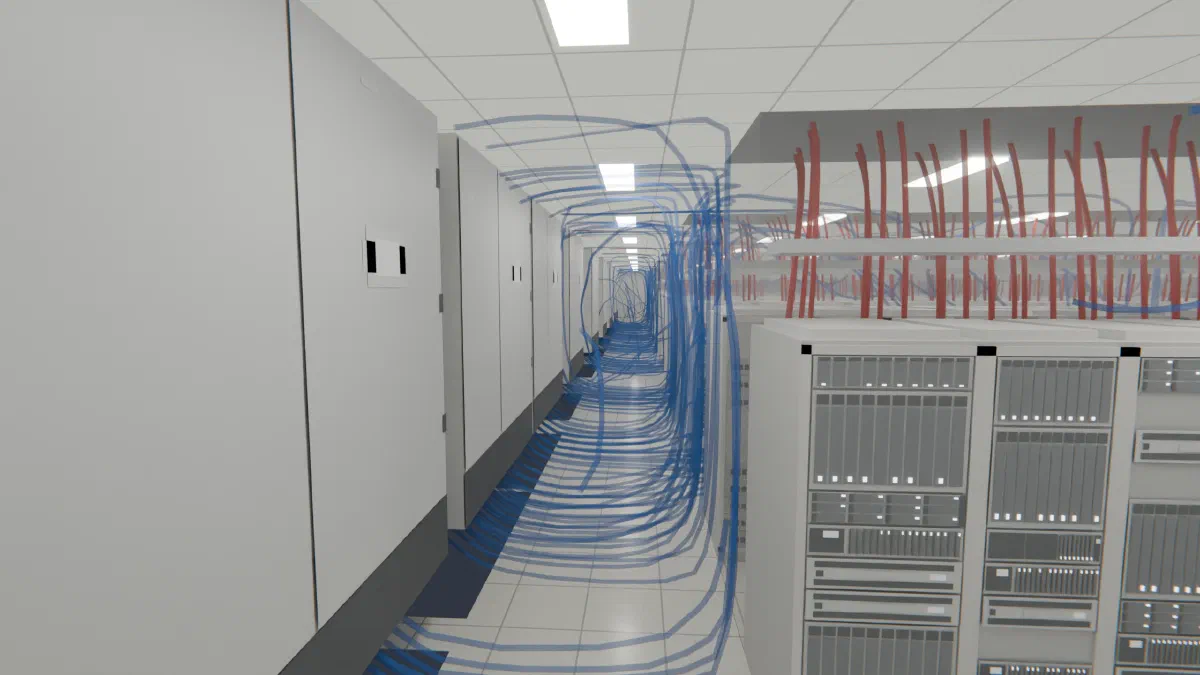
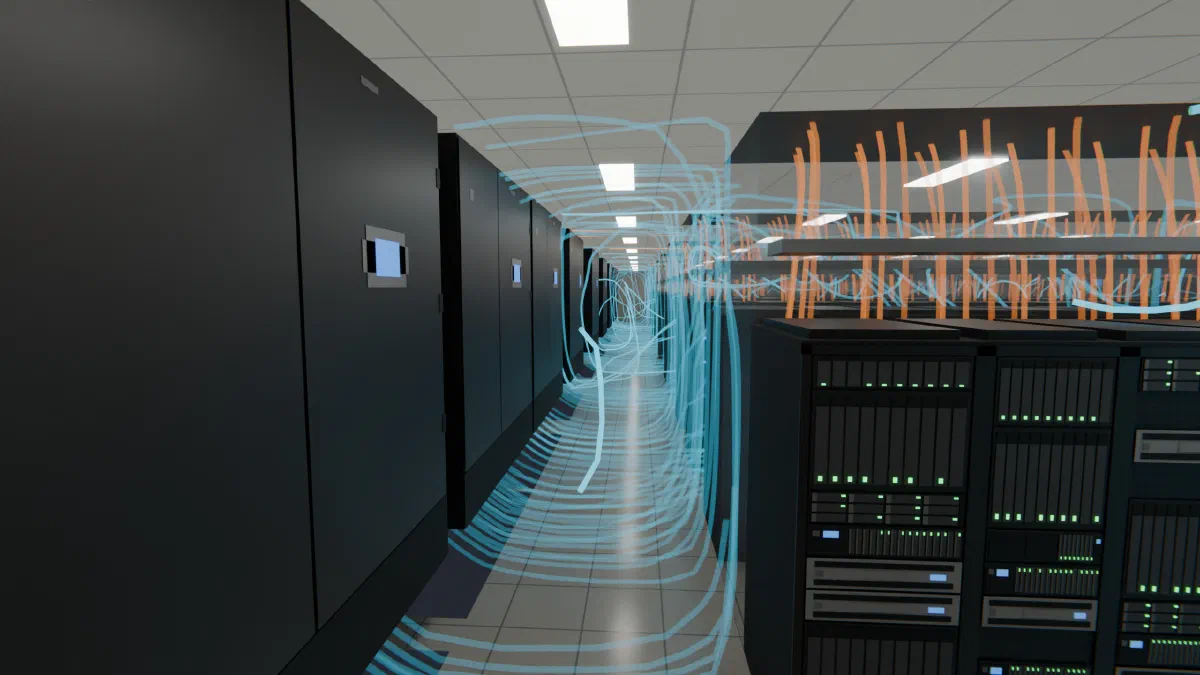
Data Centers at Altitude: CFM Isn't Cooling
A fan moves a volume of air but heat rides on its mass, so at 1,800 m (5,900 ft) the same CFM carries about a fifth less heat, and a model left at sea level will not show it.
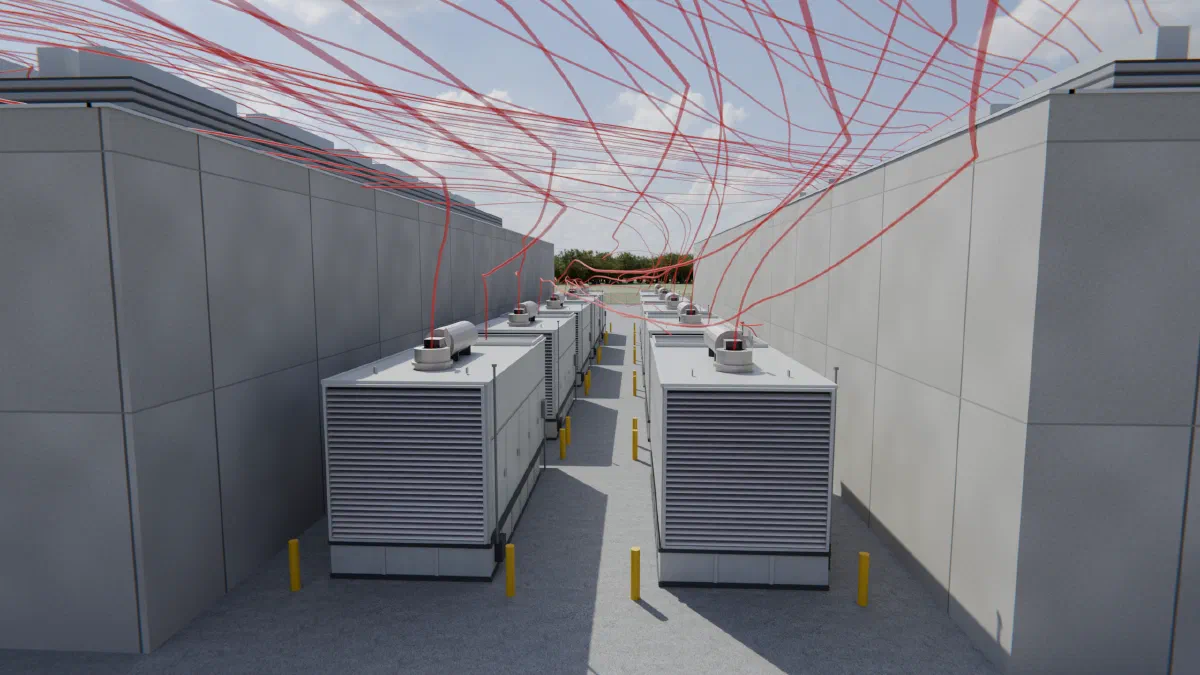
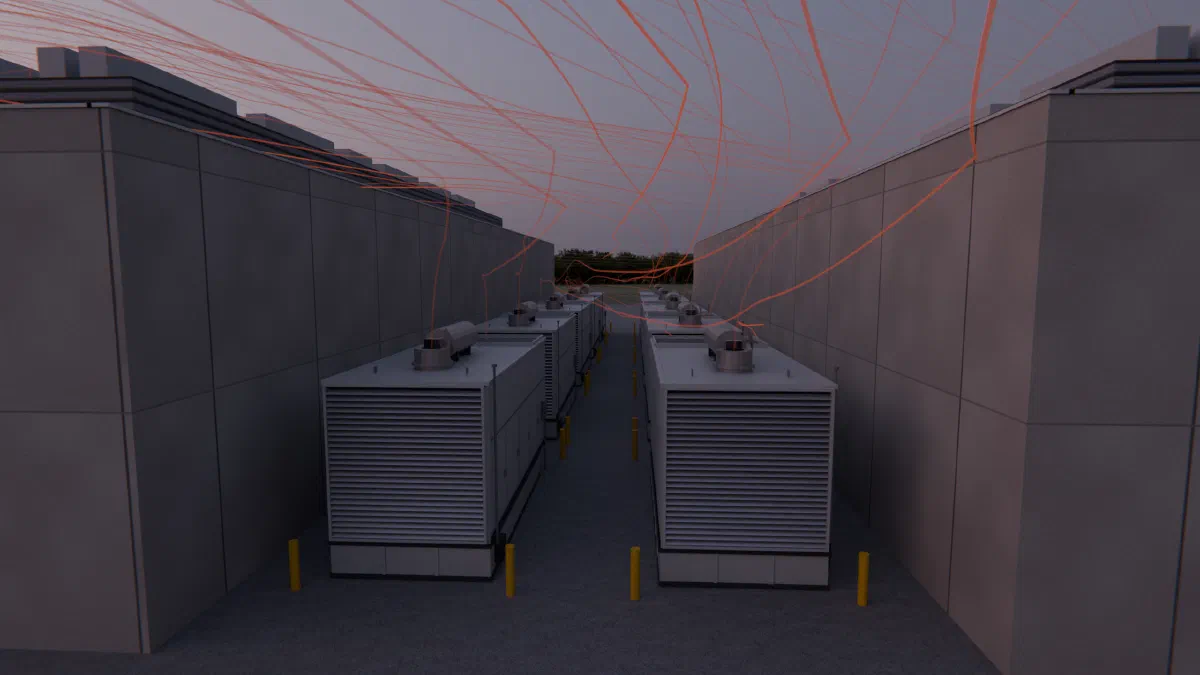
Equipment Yard Noise: What a Screening Estimate Can and Can't Tell You
How sound from chillers, generators and fans spreads across a site, the arithmetic behind a quick estimate, and what a permit study needs that a quick estimate does not have.
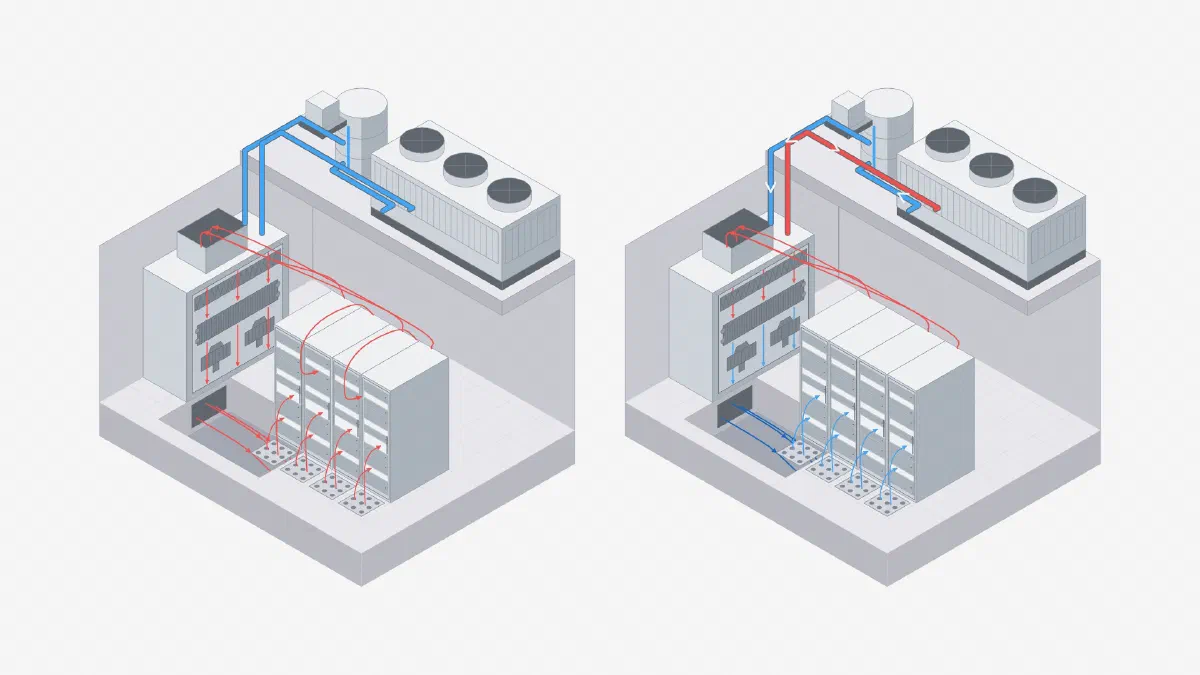
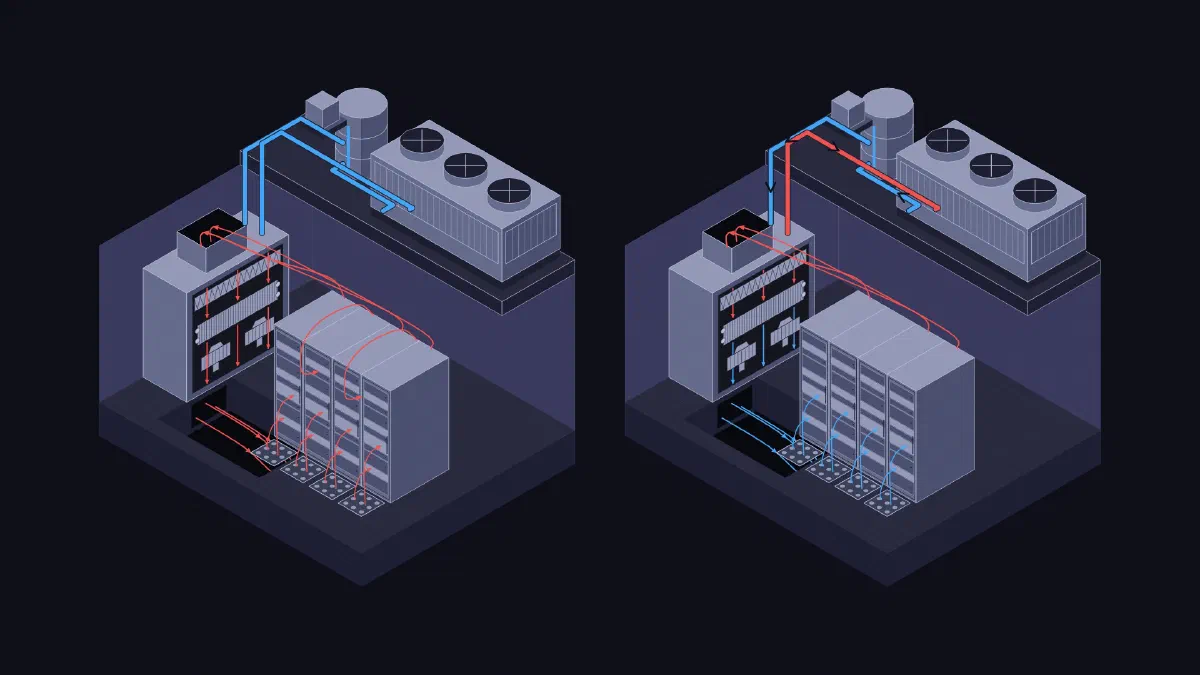
How Long Can a Data Hall Go Without Cooling?
The air in a hall holds almost no heat, so the answer is seconds, not minutes, unless something else carries the load: here is the arithmetic, and what decides the curve.
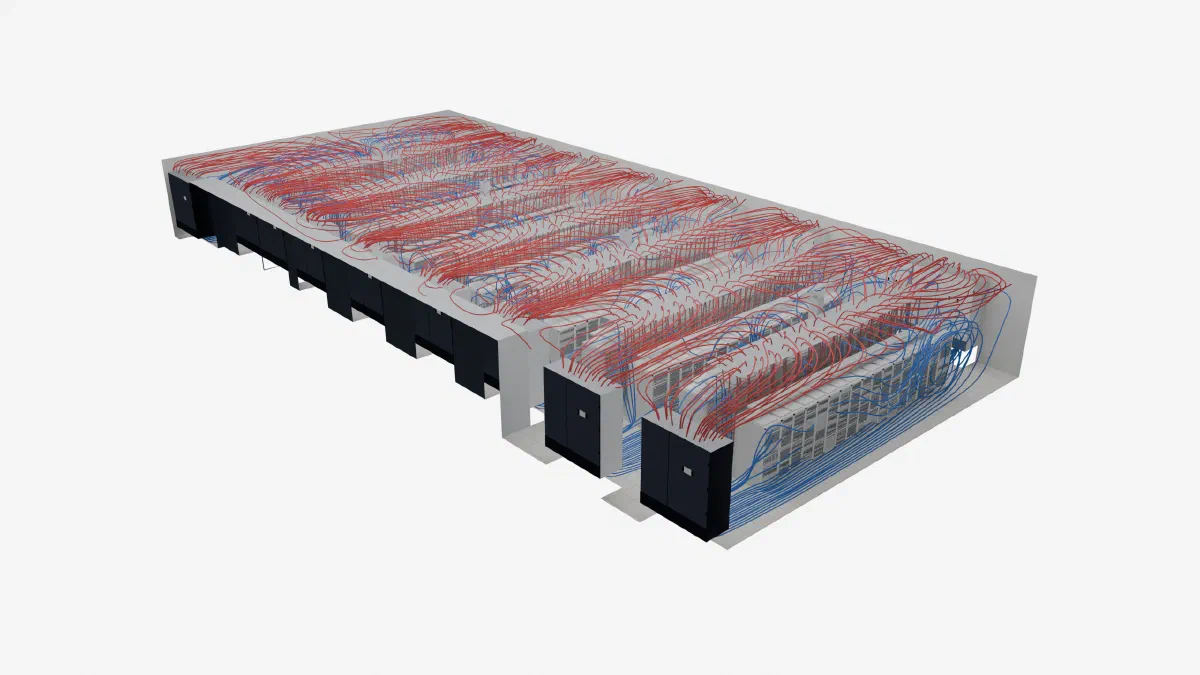
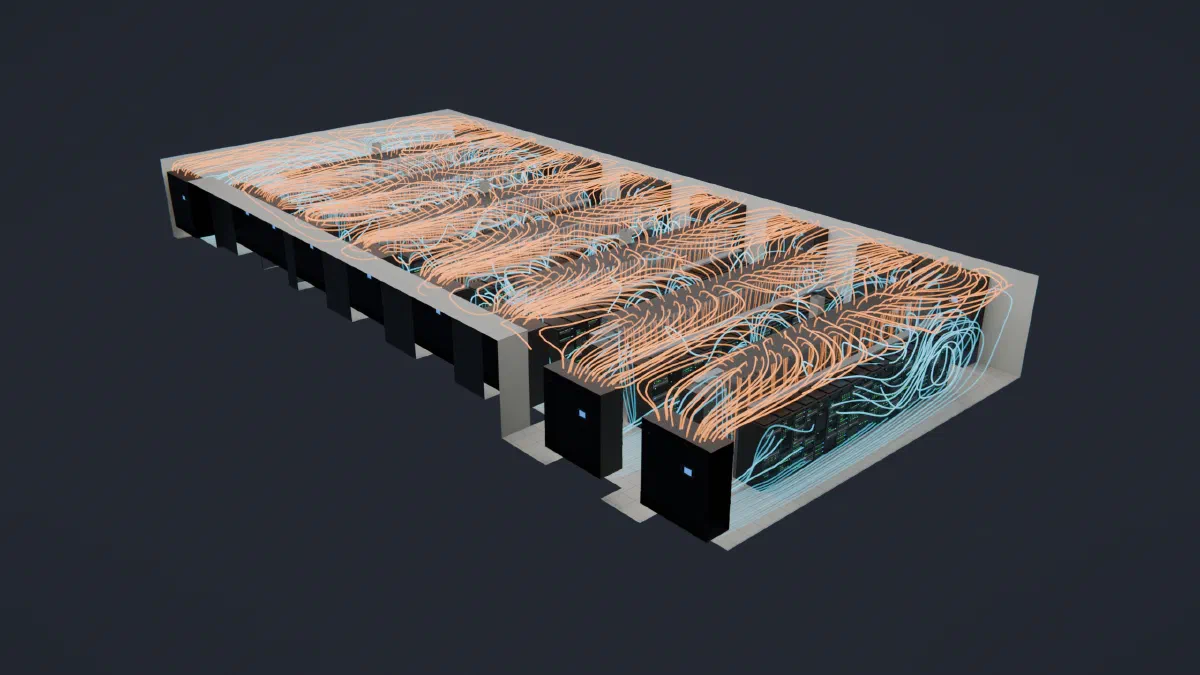
How Much Model Is Enough? Averages Agree Before Hot Spots Do
Refine a data hall mesh and the rack averages settle first while the hottest spot keeps moving, and geometry choices such as end caps move the answer more than any mesh.
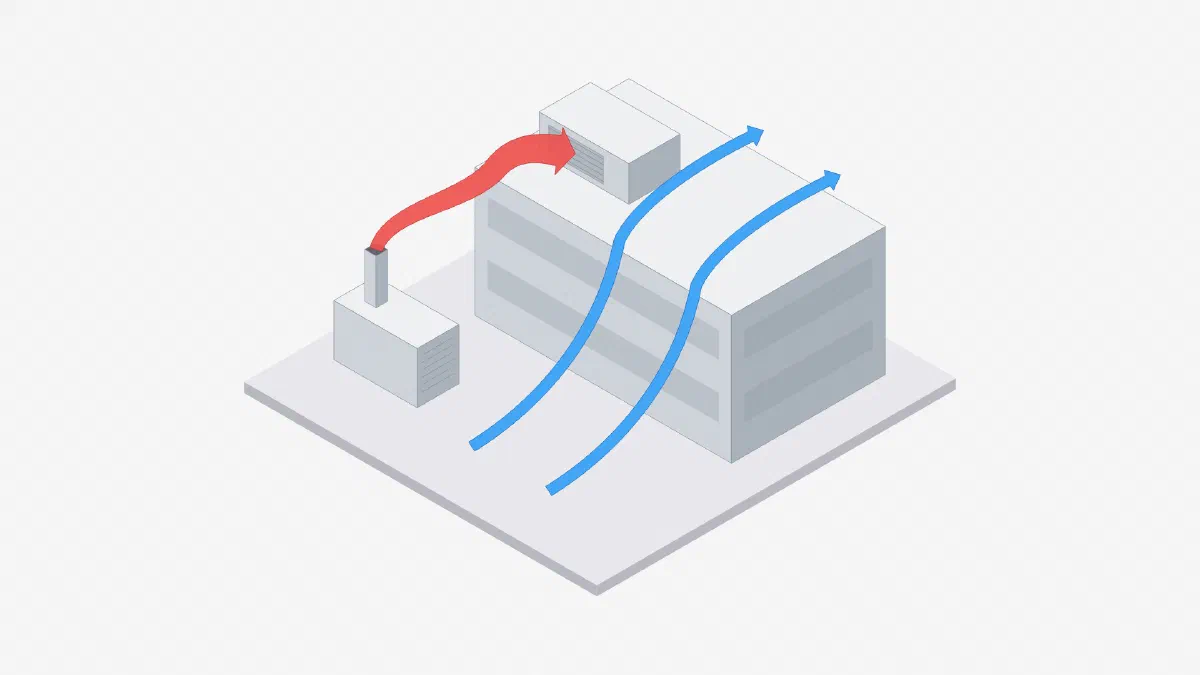
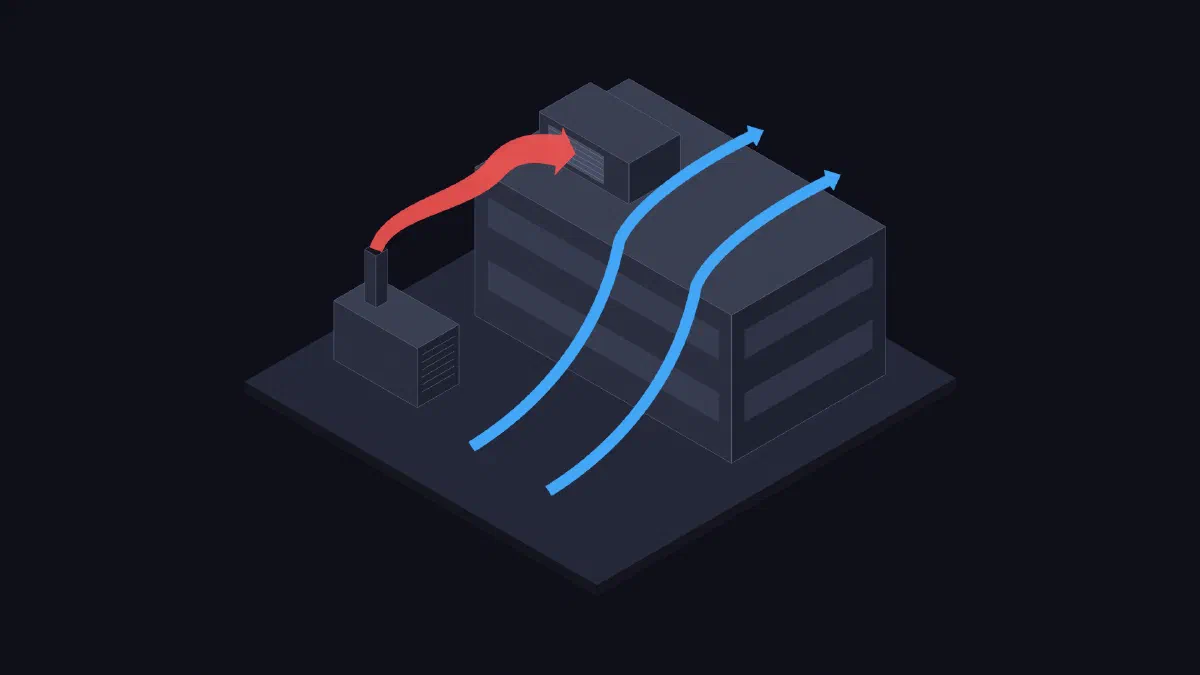
NO₂ and CO Near Air Intakes: Where the Limits Come From
The 100 ppb NO₂ and 35 ppm CO limits in an exhaust study are EPA air quality standards, not ASHRAE's, and a CFD result is a screen against them, not proof of compliance.
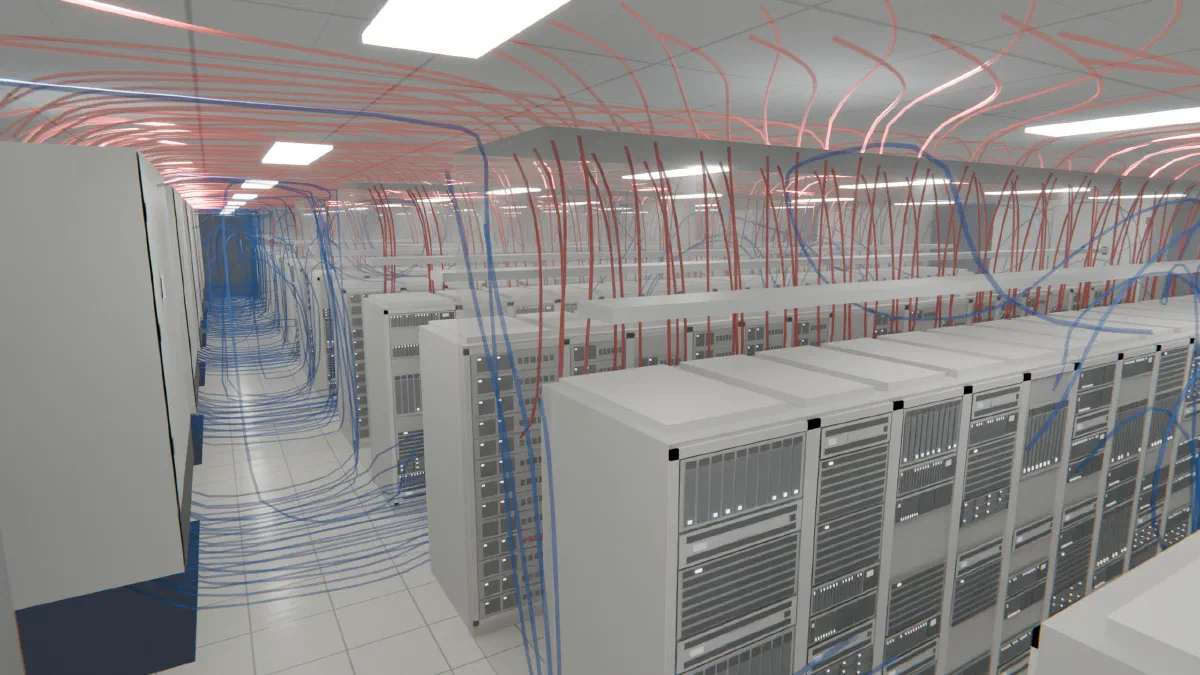
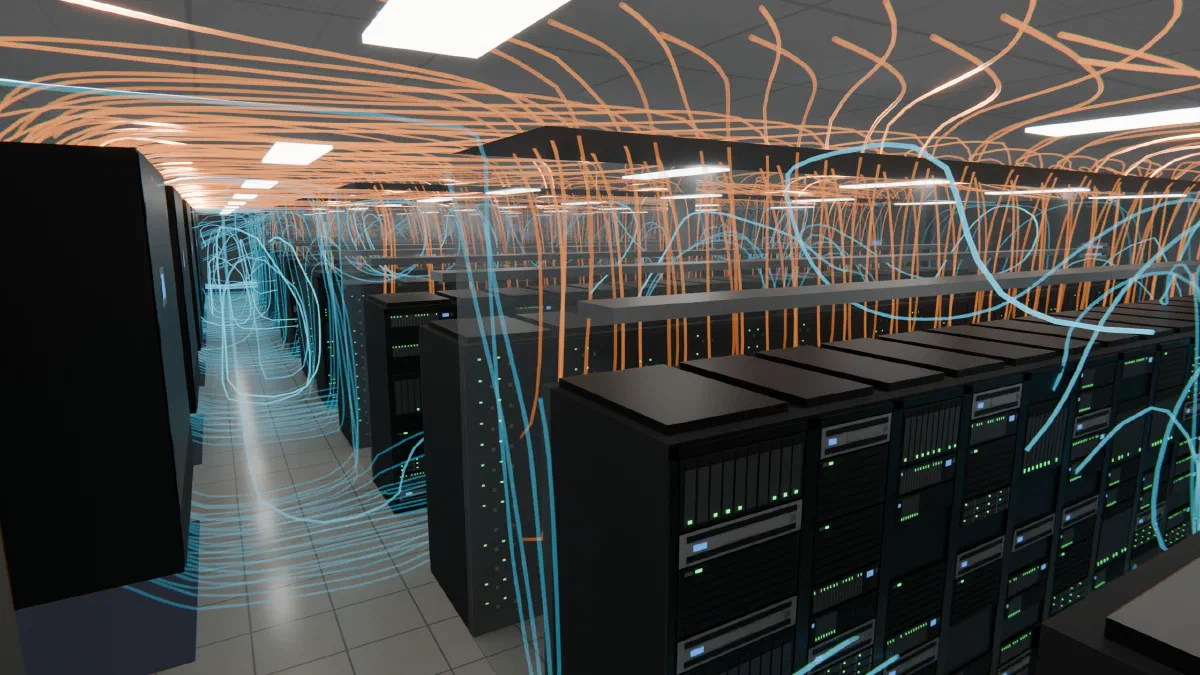
What Containment Buys You, and Where It Leaks
Aisle containment keeps supply air and exhaust air apart, but it only works as well as its seals, and it stops working when the racks draw more air than the units supply.
What to Send Us for a CFD Study
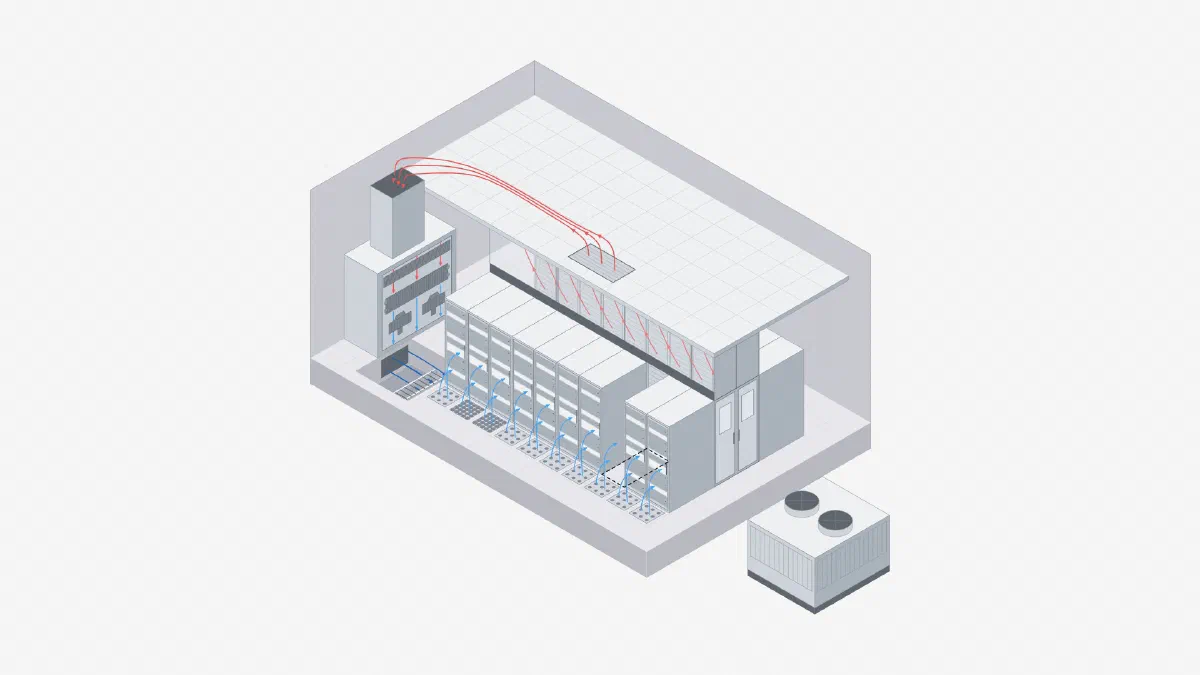
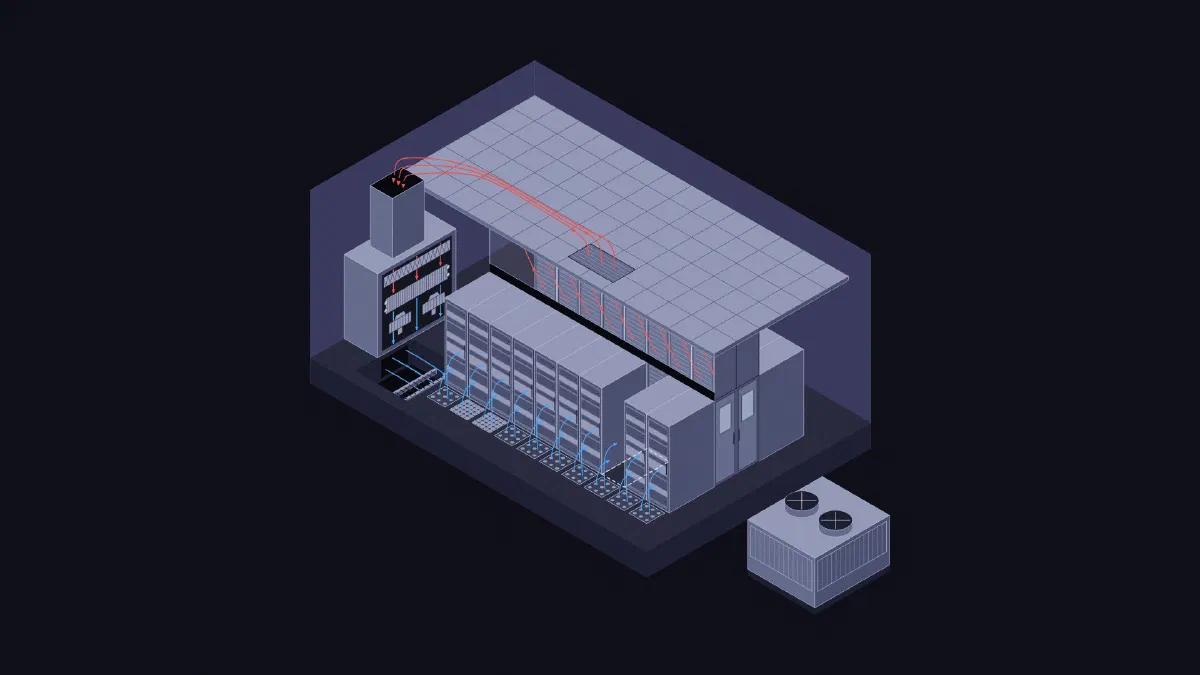
An intake checklist by study type, so a study starts right and doesn't go through rounds of revision.
Why CFD Models Fail, and the Checks That Catch It
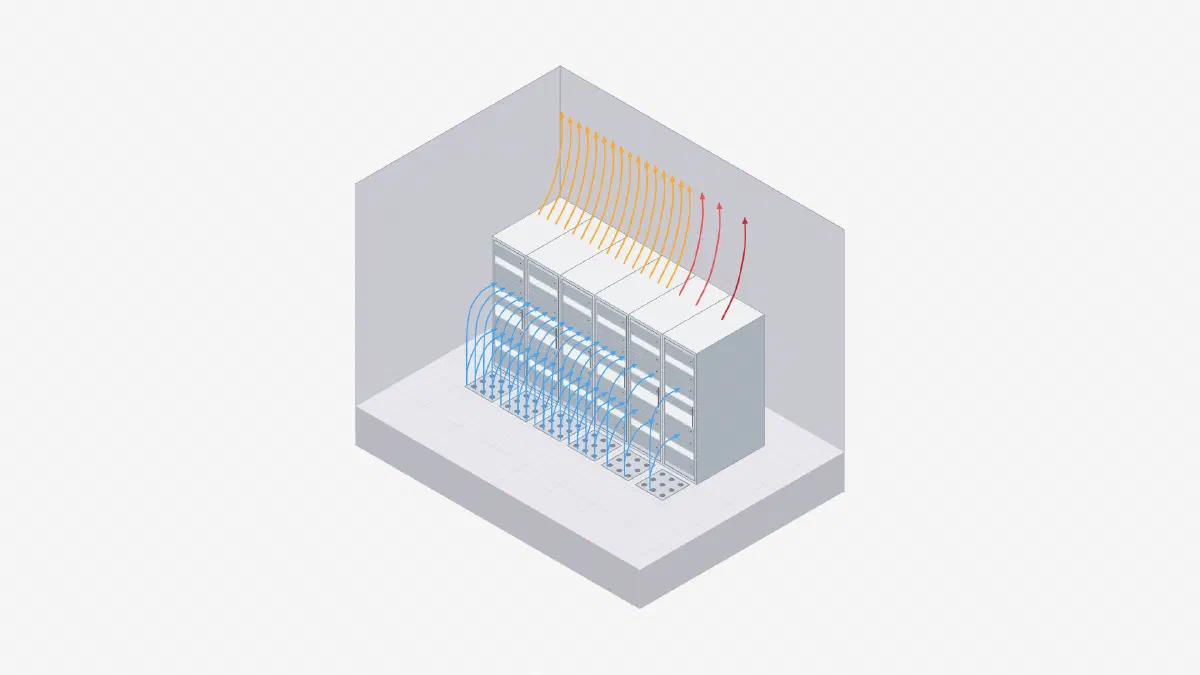
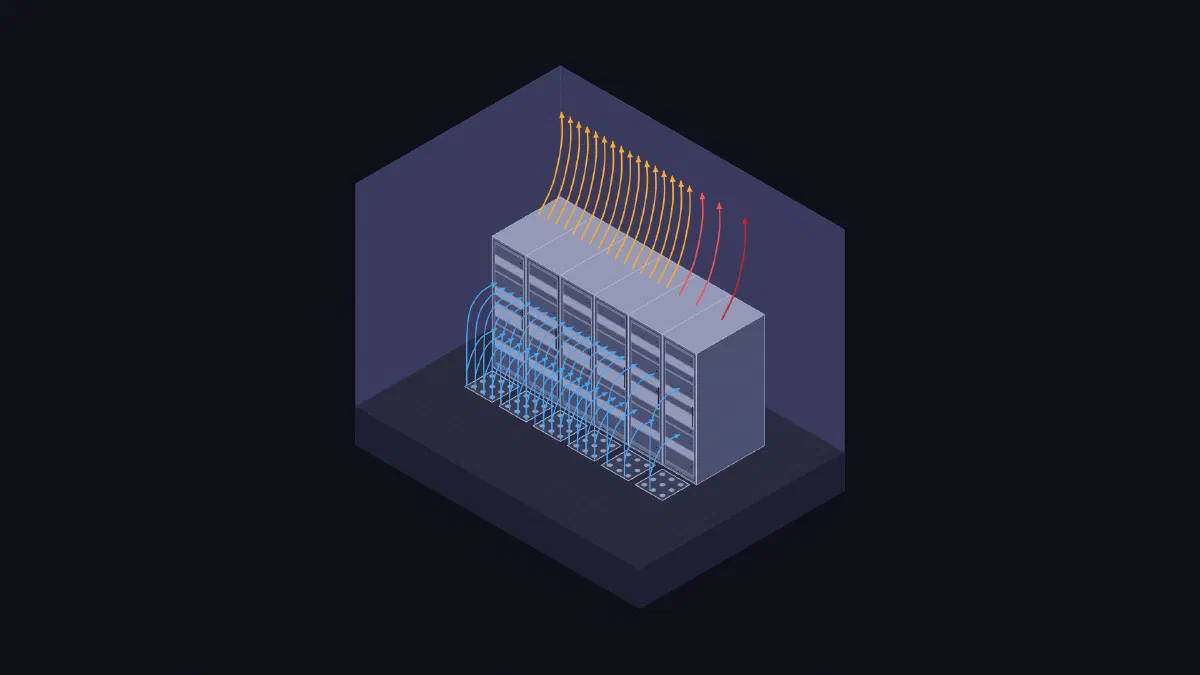
Most failed data hall simulations fail before the solver starts, in the model; here are the mistakes that matter and how to catch each one before you solve.
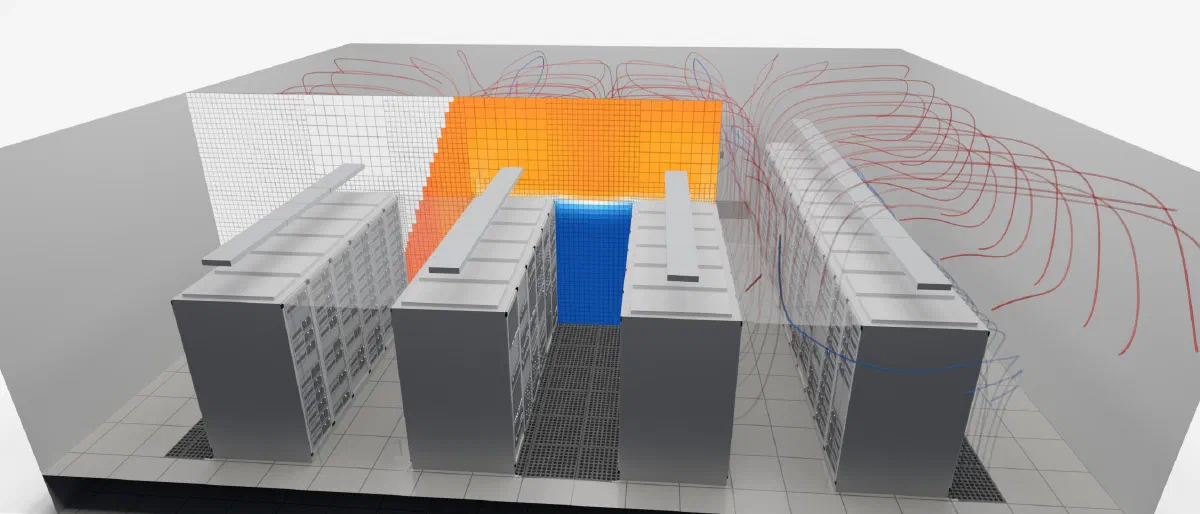
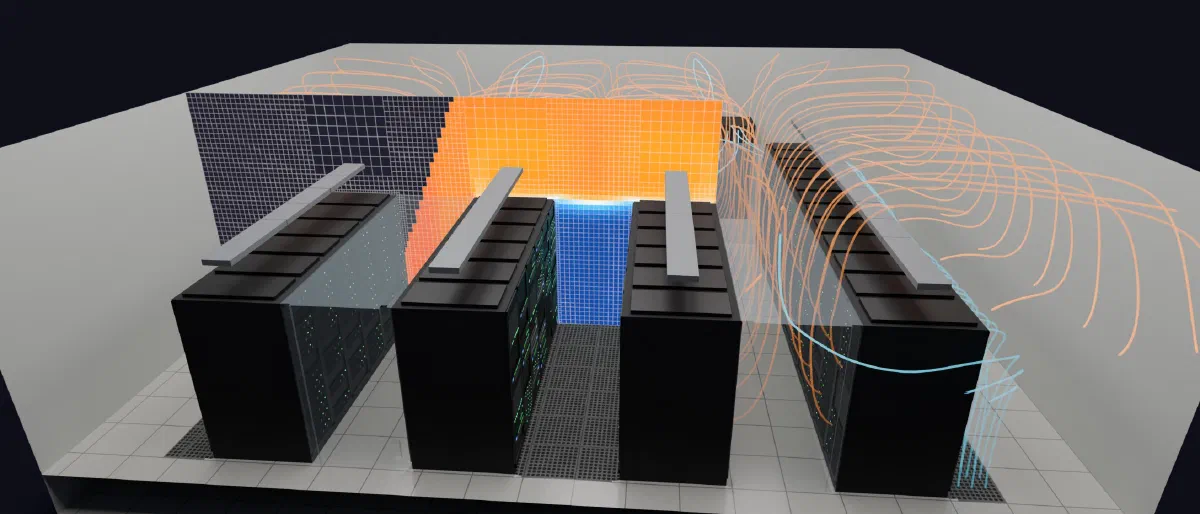
What is CFD?
A plain-language overview of computational fluid dynamics for data centers: what a simulation answers, why its mesh is built from box-shaped cells, and what a result can and can't tell you.
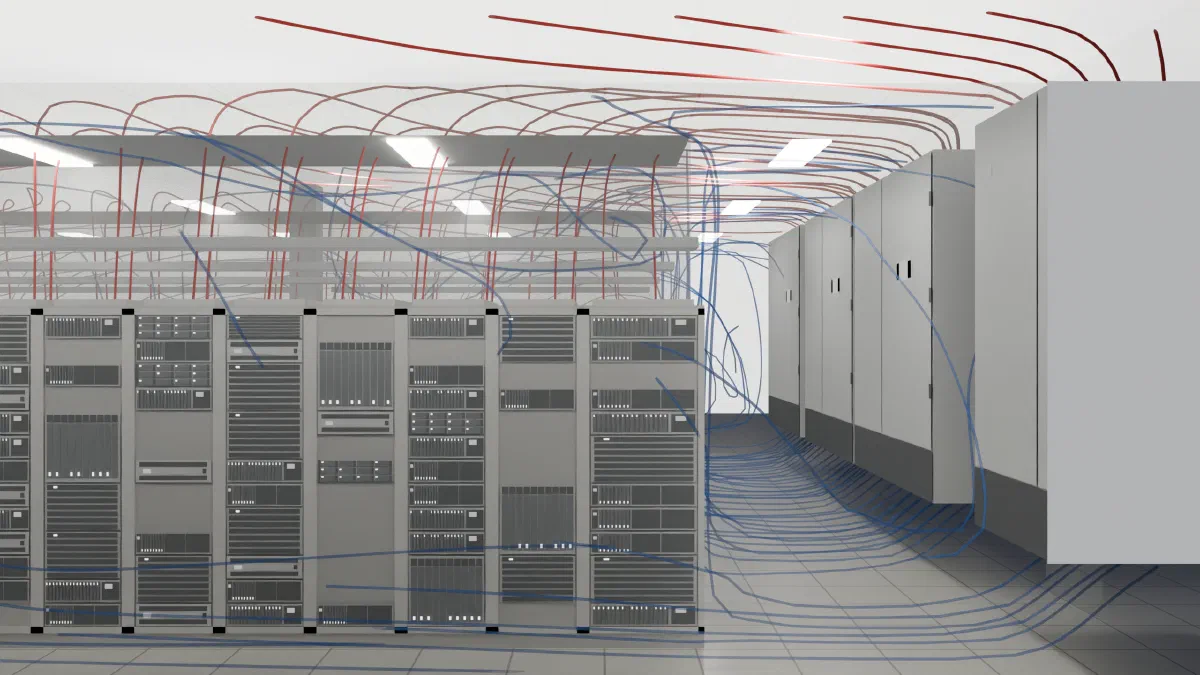
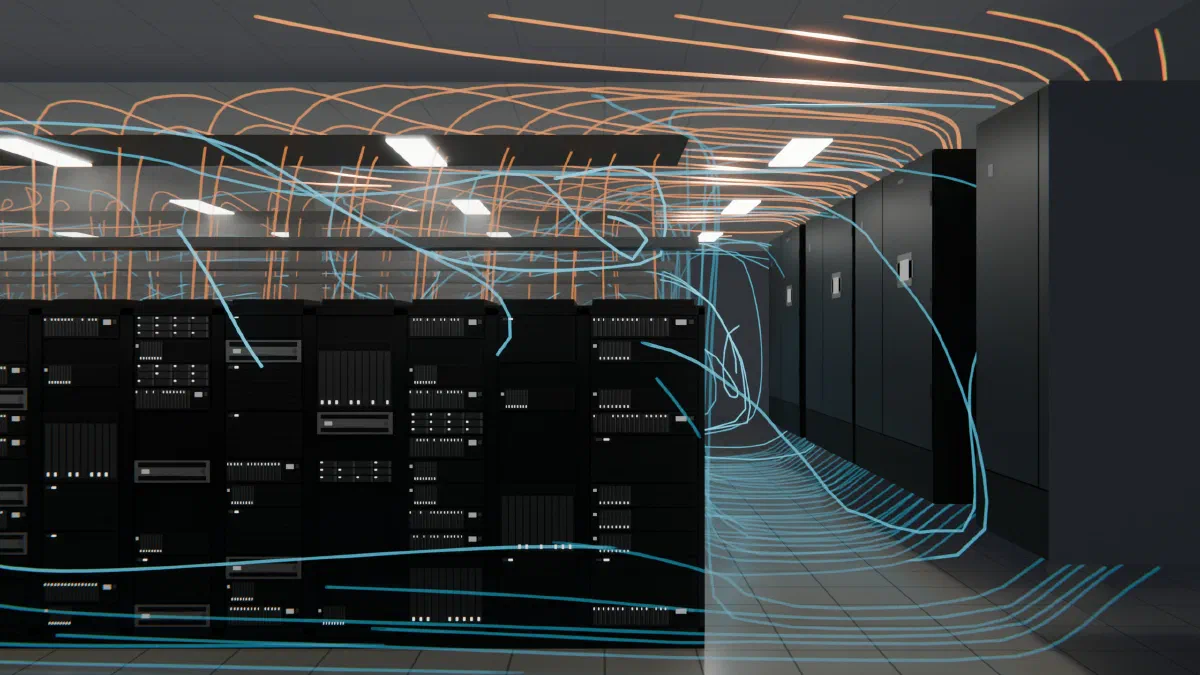
Key Data Center Cooling Metrics
What PUE, RCI and RTI measure, how each one is calculated, and what each one leaves out.
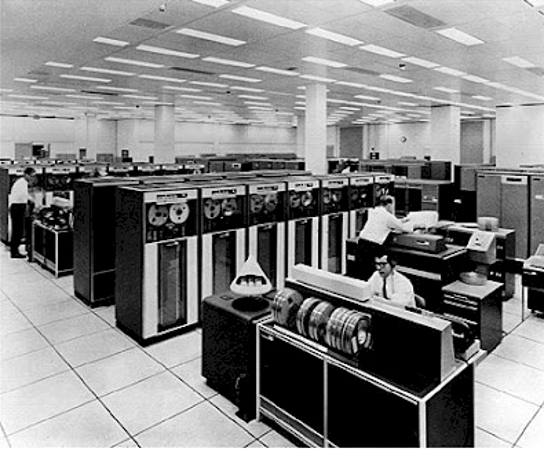
The Evolution of Data Center Design
Three generations of data hall layout, a CoolSim model of each, and what each model shows about where the cooling air goes.